NJ Ayuk Signs US Book Deal to Tell Nigeria’s Energy Turnaround Story
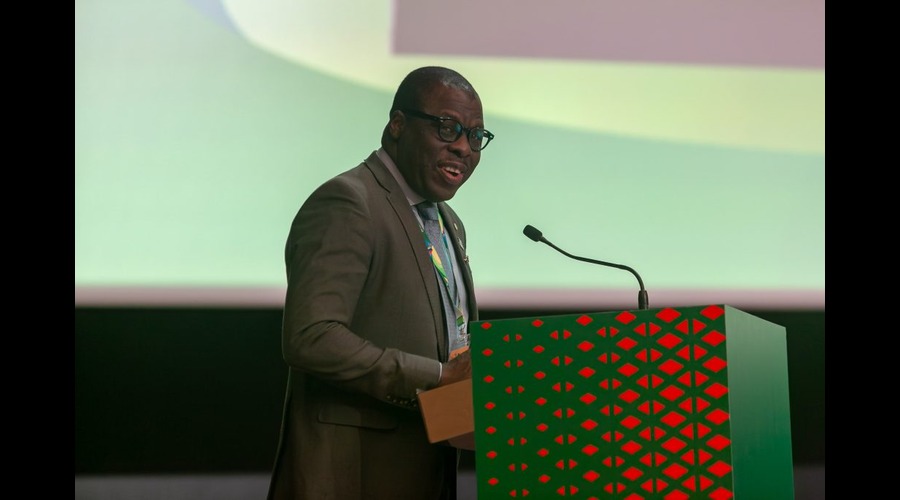
NJ Ayuk, executive chairman of the African Energy Chamber, has signed with a U.S. publishing house to write a book on the history, reform and future of Nigeria’s oil and gas industry.

NJ Ayuk, executive chairman of the African Energy Chamber, has signed with a U.S. publishing house to write a book on the history, reform and future of Nigeria’s oil and gas industry.
The deal follows six months of research and writing, according to a statement on Tuesday.
The book is tentatively titled Trillions at Play: Nigeria’s Energy Future and the Rise of Independents. It looks at whether Nigeria could become Africa’s first trillion-dollar economy, the rise of independent energy producers and the policy choices needed for a lasting national turnaround.
It follows Ayuk’s May 2026 book on Angola’s petroleum turnaround. This time he turns to Africa’s top oil producer and asks how developing Nigeria’s hydrocarbons responsibly could boost energy security and drive industrialization across the country.
The book covers almost 70 years of Nigeria’s petroleum industry, starting with the first commercial discovery at Oloibiri in 1956. It follows the milestones and setbacks that shaped the sector and the reforms that have set it up for growth. It also draws lessons for other African producers.
“For six months I have been deeply immersed in this project, tracing the long arc of Nigeria’s oil and gas journey,” Ayuk said. “The more I research, analyse and write, the more excited I become. We are witnessing a monumental turnaround story, a legal, regulatory and industrial renaissance. After publishing three best-sellers in the United States over the last ten years, I am convinced this will be my most significant work yet.”
At the heart of the book are Nigeria’s indigenous energy companies and the country’s strategic move toward gas.
The 2021 Petroleum Industry Act gave the sector a new legal and fiscal footing. Nigeria’s crude output has now met its OPEC quota for six months in a row. The country also has Africa’s largest gas reserves, estimated at 215.19 trillion cubic feet, and is making gas the foundation of its industrial growth.
Trillions at Play will link Nigeria’s energy resources to the bigger forces shaping its future: investment, industrial policy, national sovereignty, technological change and the lives of people whose prosperity depends on energy.
“As Nigeria seeks to convert its natural-resource wealth into broad-based prosperity, Trillions at Play will ask a defining question: can the country move from the promise of energy abundance to the reality of economic independence?” Ayuk said.