NLNG Train 7 Now 95% Complete Amid Feedgas Constraints, Says CEO
Nigeria LNG Limited (NLNG) says its Train 7 expansion project is now 95% complete, even as feedgas constraints and infrastructure challenges continue to dampen its operations.
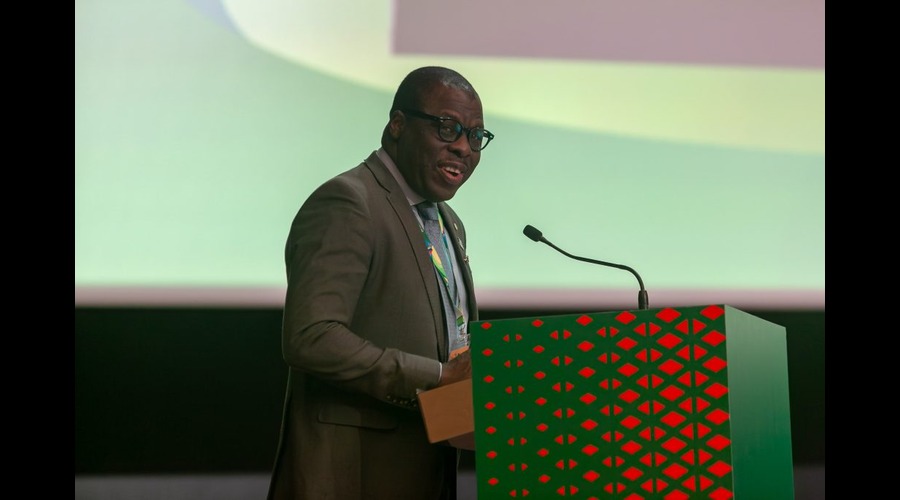
Nigeria LNG Limited (NLNG) says its Train 7 expansion project is now 95% complete, even as feedgas constraints and infrastructure challenges continue to dampen its operations.
Once finished, it will raise the company’s installed production capacity from 22 million tonnes per annum (mtpa) to about 30 mtpa.
Adeleye Falade, managing director and CEO, gave the update when he hosted Rabiu Umar, chief executive of the Nigerian Midstream and Downstream Petroleum Regulatory Authority, at NLNG’s plant on Bonny Island, Rivers State, according to a statement on Sunday.
He called Train 7 a strategic investment in Nigeria’s energy future, saying it would strengthen NLNG’s ability to meet global demand and give the country a bigger role in international gas trade.
He said the investment showed NLNG’s confidence in Nigeria’s gas potential. However, he admitted that feedgas shortages and infrastructure problems still need sustained attention, coordinated action and investment across the gas value chain.
Falade noted that NLNG has played a central role in turning Nigeria’s gas into a commercial product since its first LNG cargo left Bonny Island in 1999. With six trains now operating, the company has helped make Nigeria a reliable supplier in the global LNG market and has earned significant revenue for the country.
He said keeping up this contribution depends on an integrated value chain built on secure feedgas supply, asset integrity, process safety and reliable shipping. He said these are essential for meeting long-term commercial commitments in an increasingly competitive global energy market.
Falade pointed out that NLNG sends all of its liquefied petroleum gas (LPG) production to the Nigerian market. He said this helps Nigerians get cleaner household cooking gas, reduces reliance on traditional fuels such as firewood, and keeps enough LPG available for local consumers.
Umar praised NLNG for following regulations and for its large contribution to Nigeria’s economy. He called the company a responsible corporate citizen and a source of national pride.
He said the Authority was ready to work with NLNG as it expands production and sends more gas to the domestic market. This includes creating a supportive regulatory environment for building more production trains.
“Our engagement with operators is important to ensuring that regulatory requirements are understood and possible concerns are addressed early. For the gas industry, maintaining these standards while creating the enabling environment that supports responsible investment and reliable supply is essential to Nigeria’s energy security and economic development,” he said.


