Congo Turns to Dangote Refinery, Signs Fuel Supply Deal in Lagos
The Democratic Republic of the Congo signed a memorandum of understanding with Dangote Petroleum Refinery and Petrochemicals FZE on Saturday.

The Democratic Republic of the Congo signed a memorandum of understanding with Dangote Petroleum Refinery and Petrochemicals FZE on Saturday.
The deal is part of a push to secure the country’s supply of refined petroleum products and to buy fuel on better terms, according to a statement by the country’s oil ministry on Sunday.
The signing in Lagos, attended by Nigerian industrialist Aliko Dangote, opens a formal dialogue between the Congolese government and one of Africa’s most powerful industrial groups.
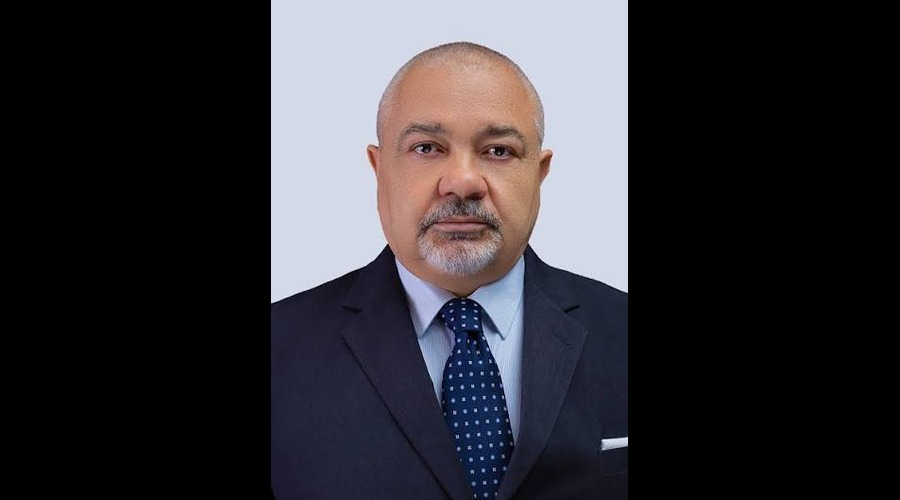
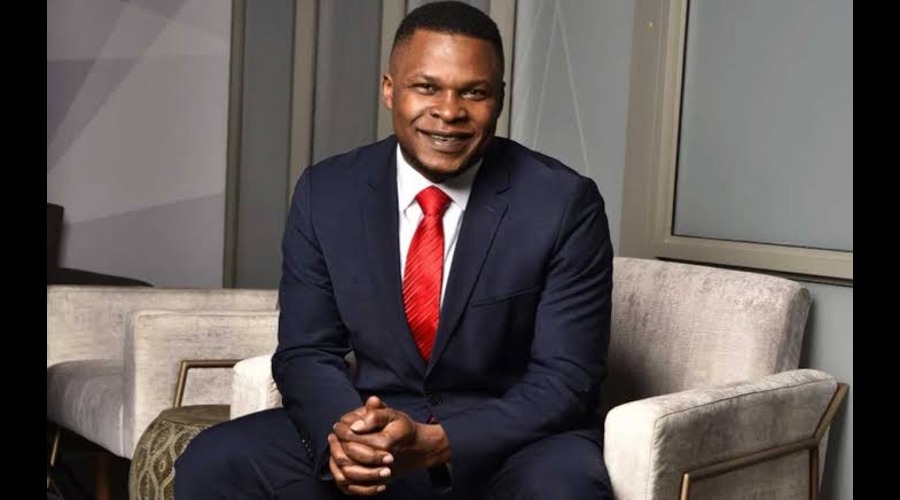
Kinshasa sent three senior ministers to Lagos. Deputy Prime Minister and Minister of the National Economy Daniel Mukoko Samba led the delegation. He was joined by Minister of State and Minister of Hydrocarbons Acacia Bandubola Mbongo and Minister of State Portfolio Julie Shiku.
The memorandum sets up a non-exclusive cooperation framework. In the short term, it will govern initial, one-off fuel deliveries. It also lays the groundwork for a long-term supply agreement. Congolese officials stressed that the arrangement respects the interests of the state and the principles of good governance.
Because the framework is non-exclusive, Kinshasa keeps its freedom to work with other suppliers while it builds a direct channel to a major African producer.
Besides the signing, the two sides held detailed talks on the technical, commercial and logistical side of putting the deal into practice. Congolese state-owned companies working in fuel distribution and marketing took part in these discussions.
The government hopes the partnership will help these companies strengthen their operational capabilities, get more value from their assets and improve their economic and financial performance
The delegation also toured the Dangote refinery complex in Lekki, which is presented as Africa’s largest refinery by refining capacity. Officials visited its production, storage and shipping facilities and saw for themselves the industrial base that could soon help supply the Congolese market.
The deal has a clear economic aim. By buying directly from producers instead of going through intermediaries, Kinshasa hopes to get more competitive prices.
The stakes for ordinary Congolese are high. Fuel prices drive the cost of transporting, producing and distributing almost every good and service in the country. Cheaper and more reliable fuel supplies could therefore help the government in its fight against the high cost of living and make the national economy more competitive.
The initiative was coordinated by the ministries of the National Economy, Hydrocarbons and State Portfolio. It follows the vision of President Félix Antoine Tshisekedi Tshilombo and is being carried out under Prime Minister Judith Suminwa Tuluka.
It also signals a wider strategic shift: the DRC wants to rely more on Africa’s own industrial capacity, increase trade within the continent and build what officials call a “lasting, economically viable and mutually beneficial partnership.”