Dangote Raises Bet on Africa to $70bn, Plans 10,000MW Power Push
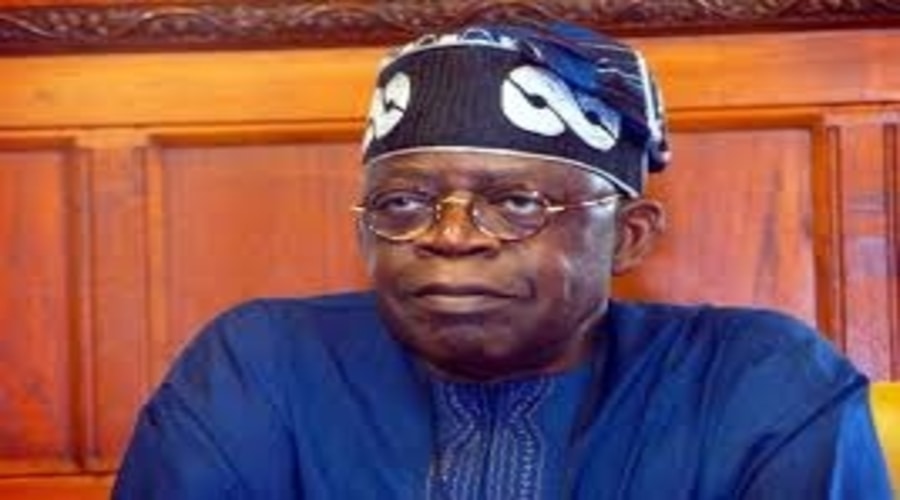
Aliko Dangote, president and chief executive of Dangote Industries Limited, says the group will grow its investment programme across Africa from $50 billion to about $70 billion under its Vision 2030.

Aliko Dangote, president and chief executive of Dangote Industries Limited, says the group will grow its investment programme across Africa from $50 billion to about $70 billion under its Vision 2030.
“We initially planned to invest $50 billion. We are now looking at increasing that to about $70 billion in Africa,” he said.
He made the announcement while speaking to creative industry stakeholders from Northern Nigeria, including content creators, journalists, bloggers, entertainers and Kannywood stars, according to a statement on Thursday.
At the centre of the expanded vision is a proposed 10,000-megawatt power programme across Africa, which could include Nigeria. It would be separate from the group’s own captive power, which is also set to grow sharply.
“Across the group, we currently have almost 1,500 megawatts. By the time we complete Vision 2030, that could rise to between 4,500 and 5,000 megawatts,” he said. “That is captive power—electricity for our own operations. Separately, part of the vision is to intervene in power generation with 10,000 megawatts across Africa, potentially including Nigeria.”
Asked which economic decision would do the most to improve the lives of ordinary Nigerians, Dangote pointed straight to electricity. He warned that small and medium-sized enterprises (SMEs) that run on petrol and diesel generators would find it hard to stay profitable.
“Installing solar power for yourself does not mean the wider problem has been solved. Other people may not have that option,” he said. “A vibrant economy is driven by small and medium-sized enterprises. Large companies such as ours help sustain those businesses, but SMEs are essential to economic activity. When you generate electricity using diesel or petrol, it becomes very difficult to make money.”
Dangote said African businesses must take more responsibility for investing in their own continent and fixing the infrastructure gaps that scare off other investors. He named inconsistent government policy and unreliable electricity as two major barriers.
“Government’s principal responsibility is to create an enabling environment through good policies. With the right policies, businesses can invest and create jobs,” he said.
The industrialist pointed to agriculture and solid minerals as sectors with big potential, especially in Northern Nigeria. But he insisted the country must stop exporting raw resources only to buy them back as finished goods. He added that infrastructure such as ports could open markets for other producers and make it easier for them to export.
“It is not only about us; it is about Nigeria and the African continent,” he said. “We should not simply export raw materials and then buy back the processed products at many times the price. That is the pattern we want to change. Without production, we will continue to face economic difficulties. We must build a productive economy.”
Looking back on his career, Dangote credited the group’s growth to focus, financial discipline and steady reinvestment of earnings. He explained that the move from trading to manufacturing was built on products the group already knew well, backed by existing customers, distribution networks and market knowledge.
“The logical next step was backward integration: producing the things we were already importing,” he said.
He also gave young entrepreneurs some advice: don’t spend profits before you earn them, and know when to walk away.
“Give it your best effort, but when you do the numbers and they are not adding up, you must be willing to leave,” he said.