
Fitch affirms Nigeria’s rating at ‘B-‘, expects more reforms under Tinubu
Fitch Ratings, a global credit rating agency, has affirmed Nigeria’s long-term foreign-currency issuer default rating (IDR) at ‘B-‘ with a stable outlook.
“Nigeria’s rating is supported by a favourable public debt/GDP ratio, a large economy, a developed and liquid domestic debt market, and large oil and gas reserves,” it said in a statement. “The rating is constrained by weak governance, security challenges, high inflation, structurally very low non-oil revenue, high hydrocarbon dependence, and weakness in the exchange-rate framework.”
The rating agency said the stable outlook was supported by its base-case expectation of moderate reform progress under the new administration, including the phased elimination of oil subsidies and some more exchange-rate flexibility, “although there is sizeable uncertainty around the policy agenda”.
“Oil production has also picked up from last year’s lows and we think the domestic debt market has sufficient capacity to compensate for severely constrained access to Eurobond financing.
It, however, said higher debt servicing costs, and inflationary constraints to continuing deficit monetisation present risks to public finances.
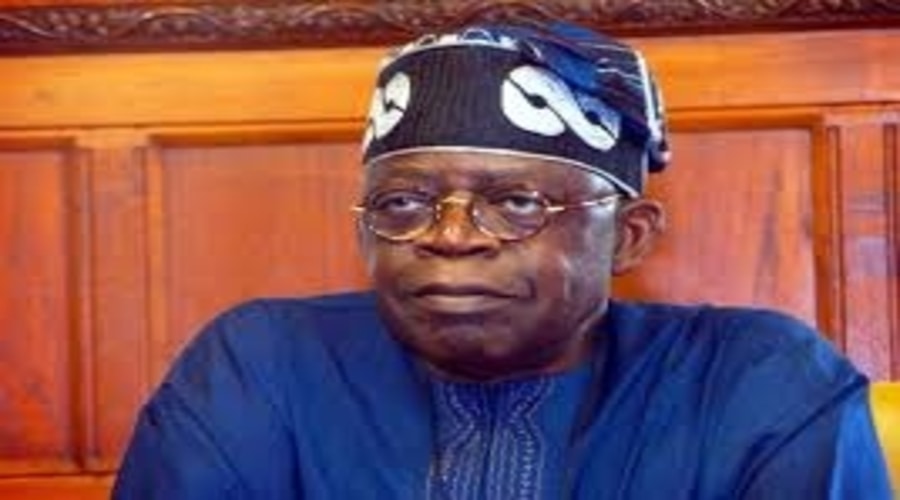
Fitch said: “We expect a somewhat more technocratic, market-friendly, and reformist government under the new president, Bola Tinubu of the ruling All Progressives Congress, who won March’s general election, with 37 percent of the vote, on a 27 percent turnout,” Fitch said.
“However, significant reform momentum is far from assured, given this weak mandate, lack of a majority in the House of Representatives, and social pressures against important reforms. We do not anticipate that the numerous legal challenges will lead to the election result being overturned.”


